

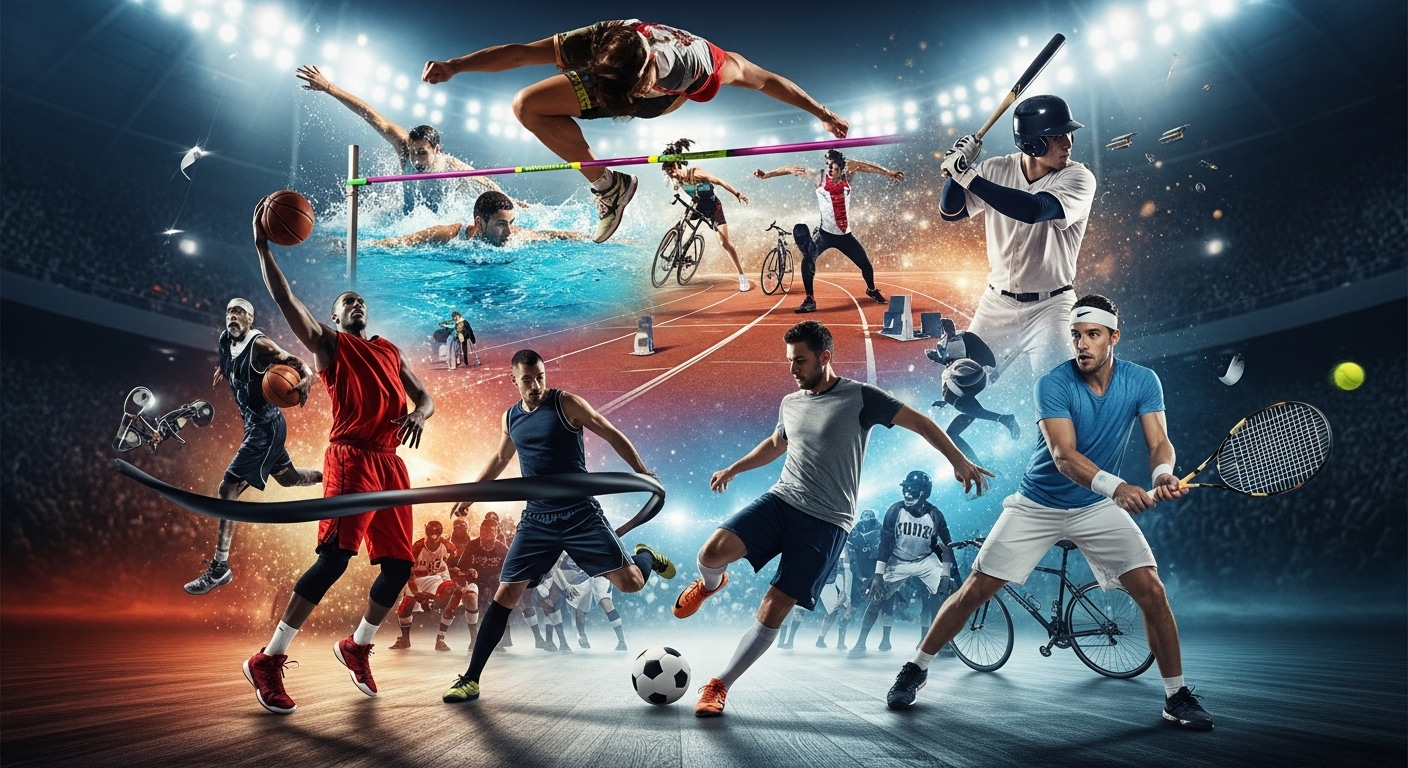
Sports play a major role in shaping culture, global interaction, and public engagement worldwide. International competitions, athlete performances, and sports-related policies influence national pride, entertainment, and economic activity. Political decisions often affect sports funding, infrastructure, and international participation. Celebrities and athletes also drive public awareness, inspire youth, and promote social causes through sports initiatives.
International Competitions and Global Influence
Major sporting events like the Olympics, FIFA World Cup, and global championships bring nations together, fostering cooperation and healthy competition. Athletes represent their countries on international stages, creating pride and encouraging cultural exchange. These events generate tourism, media coverage, and economic activity, demonstrating sports’ global impact.
International federations and organizations oversee rules, safety, and participation standards. Global collaboration ensures fairness and consistency in competitions, while political and diplomatic considerations sometimes influence hosting rights and participation, showing how sports intersect with international relations.
Sports Policies and Government Support
Governments invest in sports infrastructure, youth programs, and talent development to promote healthy lifestyles and international competitiveness. Policies and funding affect training facilities, professional leagues, and grassroots sports, shaping national performance and global representation. Effective governance in sports ensures access, equity, and sustainable growth for athletes and communities.
Political decisions can also affect international participation, including sanctions, visas, and support for athletes abroad. Collaborating with sports federations and organizations ensures that national policies align with international standards while promoting athletic success and social benefits.
Celebrity Athletes and Social Impact
Celebrities and professional athletes influence public engagement, awareness, and charitable initiatives. High-profile sports figures inspire youth, endorse social campaigns, and bring attention to health, education, and environmental issues. Social media platforms amplify their reach, connecting fans globally and increasing public participation in sports and related causes.
Athletes also collaborate with brands, governments, and international organizations to promote responsible behavior, healthy lifestyles, and community development. Their influence extends beyond sports, shaping culture, politics, and global social awareness.
Global Sports Economy and Business
The sports industry drives significant economic activity, including merchandising, sponsorships, broadcasting, and tourism. Global leagues, tournaments, and competitions generate revenue, employment, and investment opportunities. Businesses leverage sports events to reach international markets, enhancing economic integration and brand visibility.
Technological advancements, including digital platforms and analytics, enhance fan engagement, team performance, and global marketing strategies. The sports economy reflects a dynamic interaction between entertainment, commerce, and culture on a global scale.
Ethics, Safety, and Fair Play
Ethical standards in sports include fair competition, anti-doping measures, and athlete welfare. Governing bodies implement regulations to ensure integrity, prevent corruption, and promote safety in training and competition. Education and awareness campaigns highlight the importance of sportsmanship, equality, and responsible participation.
Ensuring fair play and ethical behavior enhances public trust and maintains the credibility of international sports. Combining governance, policy, and education ensures sports continue to inspire, engage, and unite people across the world.
FAQs
How do international competitions influence global relations?
Major sports events promote cultural exchange, cooperation, and diplomacy while generating economic and social impact.
What role do governments play in sports?
Governments provide funding, infrastructure, and policies to develop athletes, support leagues, and promote public participation.
How do celebrity athletes influence society?
Athletes inspire youth, raise awareness on social issues, and participate in charitable campaigns, enhancing public engagement.
What economic impact does sports have globally?
Sports drive revenue from broadcasting, merchandising, tourism, and sponsorships, supporting jobs and business growth worldwide.
How is ethics enforced in sports?
Regulations from governing bodies ensure fair play, anti-doping compliance, athlete safety, and transparency in competitions.
Conclusion
Sports connect nations, cultures, and communities, influencing politics, economics, and social development. Athletes, policies, and international events drive global engagement while promoting fair competition and public interest.
Looking forward, sustainable sports policies, ethical governance, and celebrity advocacy will continue shaping global trends. Sports will remain a key platform for cultural exchange, economic development, and social influence worldwide.
