

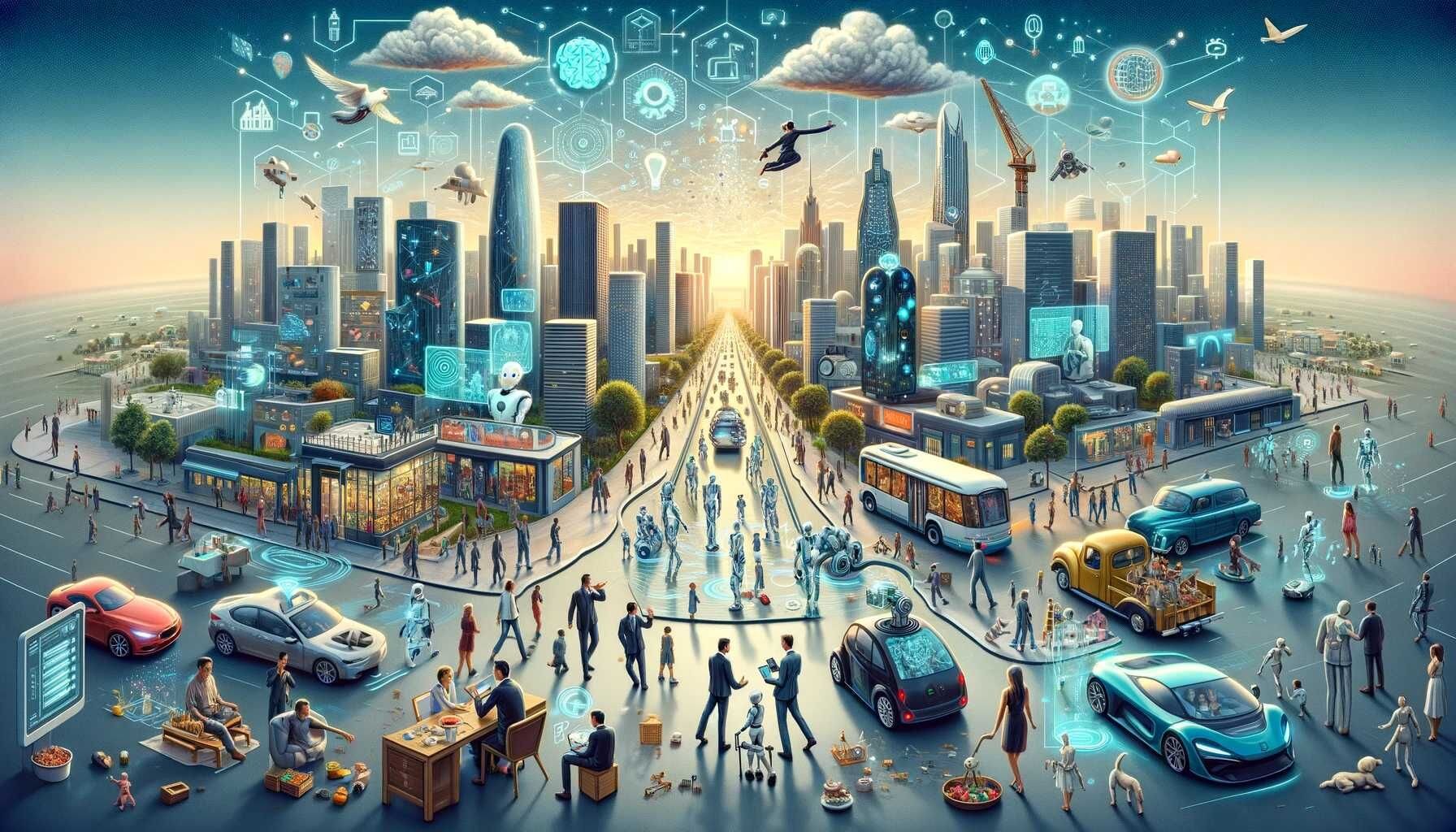
Artificial intelligence is increasingly influencing global politics, economies, and public life. Governments use AI to enhance decision-making, anticipate societal trends, and optimize public services. Globally, AI shapes trade, security, and diplomatic relations, making technology a key factor in international strategies. Celebrities and public figures contribute by advocating responsible AI use and raising awareness about ethical implications.
AI in Political Decision-Making
Governments are leveraging AI to analyze complex data sets for policy-making, resource allocation, and crisis management. Predictive analytics allow policymakers to anticipate societal challenges and implement proactive solutions. AI-driven decision-making helps improve efficiency, transparency, and responsiveness in governance while enabling officials to address public needs more effectively.
The integration of AI in politics also presents challenges such as algorithmic bias, privacy concerns, and ethical dilemmas. International guidelines and regulatory frameworks are emerging to ensure transparency, fairness, and accountability. Responsible AI deployment is essential to maintain public trust, strengthen democratic processes, and enhance governance outcomes globally.
Global Economic Impact of AI
AI is reshaping industries and global markets by enabling innovation, productivity, and competitiveness. Businesses leverage AI to optimize operations, predict market trends, and develop new products and services. Countries that invest in AI benefit from increased economic growth, job creation, and technological leadership.
International collaboration enhances AI research and development, facilitating knowledge sharing and innovation. Cross-border partnerships address global challenges such as cybersecurity, healthcare, and climate change. AI’s integration into economic systems highlights its strategic significance for global growth and development.
Celebrity Engagement and Ethical Advocacy
Celebrities are increasingly influential in shaping public perception of AI. By promoting ethical AI initiatives, supporting educational programs, and endorsing social campaigns, public figures make complex technology accessible and understandable. Their advocacy encourages responsible adoption and raises awareness of AI’s benefits and risks.
Social media platforms amplify this influence, allowing celebrities to reach global audiences. Collaborations with governments, NGOs, and private companies further strengthen AI awareness campaigns. Celebrity engagement fosters public understanding, trust, and participation in ethical AI initiatives worldwide.
AI and Global Diplomacy
AI plays a growing role in international relations, providing governments with tools for predictive analysis, cybersecurity, and diplomatic strategy. Nations use AI to assess risks, anticipate geopolitical trends, and optimize decision-making in complex negotiations. This technological capability enhances diplomatic effectiveness and strengthens global cooperation.
However, AI also raises ethical concerns in diplomacy, including surveillance, misinformation, and biased intelligence. Establishing international standards for AI use ensures responsible deployment and transparency. Ethical AI practices in diplomacy foster trust, stability, and collaboration among nations.
Ethics, Security, and Future Challenges
AI adoption introduces critical ethical, security, and societal considerations. Challenges include algorithmic bias, data privacy, accountability, and potential misuse in politics or industry. Regulatory oversight, ethical frameworks, and public awareness initiatives are essential for mitigating risks and ensuring AI benefits society.
Education and responsible governance play a crucial role in preparing citizens, policymakers, and organizations to use AI effectively. By addressing challenges proactively, AI can continue to drive innovation, improve public services, and foster sustainable global development, while maintaining fairness and ethical integrity.
FAQs
How does AI influence political decision-making?
AI analyzes complex data to support policy-making, resource allocation, and crisis management, improving governance effectiveness and efficiency.
What is AI’s role in global economics?
AI drives productivity, innovation, competitiveness, and economic growth, transforming industries and enhancing national and international markets.
How can celebrities affect public awareness of AI?
Celebrities advocate ethical use, promote AI initiatives, and simplify complex technology for global audiences, encouraging responsible adoption.
How is AI used in global diplomacy?
AI supports predictive analysis, cybersecurity, and decision-making, enabling governments to anticipate risks and strengthen international collaboration.
What are the main ethical concerns of AI?
Ethical concerns include algorithmic bias, data privacy, accountability, transparency, and equitable access to technology.
Conclusion
Artificial intelligence is transforming political decision-making, global economics, diplomacy, and public engagement. Its integration into governance, industry, and international relations provides new opportunities for innovation, efficiency, and societal progress.
Looking forward, responsible AI deployment, ethical oversight, celebrity advocacy, and international cooperation will be essential. By addressing challenges proactively, AI can shape a sustainable, equitable, and innovative future for societies worldwide.
