

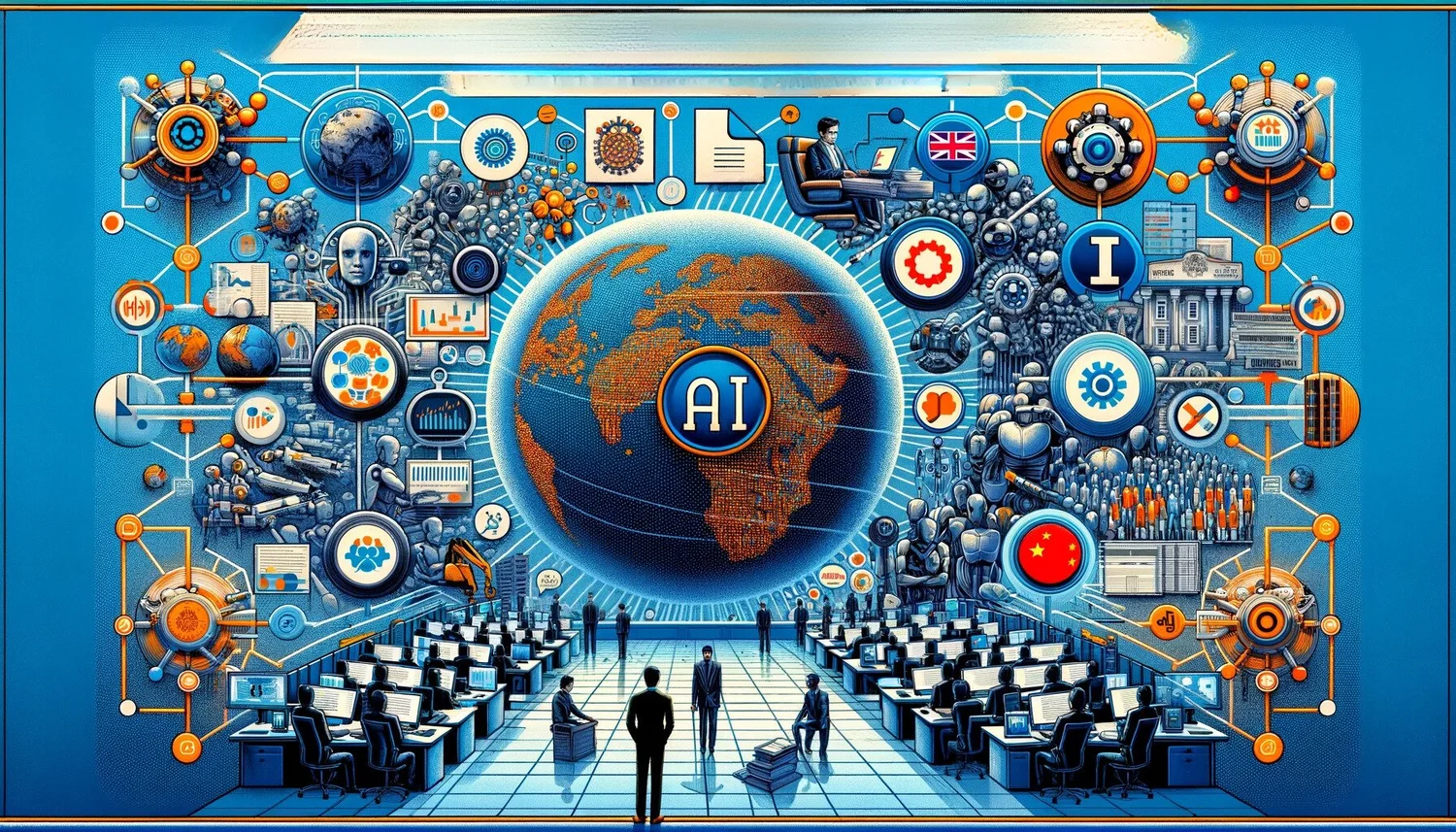
Artificial intelligence is reshaping global politics by enhancing policy-making, election strategies, and public engagement. Governments and international organizations are increasingly integrating AI tools to predict outcomes, monitor social trends, and optimize governance. Celebrities and public figures also play a role by raising awareness about AI-driven initiatives, influencing public opinion and acceptance.
AI in Policy-Making and Governance
AI enables governments to analyze large datasets, anticipate social trends, and implement evidence-based policies. Predictive algorithms help allocate resources efficiently, manage public health initiatives, and design urban infrastructure projects. By leveraging AI, policymakers can respond proactively to emerging challenges and optimize governance strategies for better societal outcomes.
The integration of AI in governance also raises concerns regarding data privacy, bias, and transparency. International organizations are developing frameworks and guidelines to ensure responsible deployment, promoting ethical practices while maximizing AI’s benefits. Effective governance depends on balancing technological innovation with accountability and public trust.
Election Strategies and AI Analytics
Political campaigns increasingly rely on AI to analyze voter behavior, tailor messaging, and predict election outcomes. Machine learning algorithms evaluate social media trends, demographic data, and public sentiment to design targeted outreach programs. This precision allows campaigns to maximize engagement and improve voter communication.
While AI offers strategic advantages, it also poses ethical challenges, including misinformation, manipulation, and biased algorithms. Policymakers and campaign managers must implement safeguards to ensure AI use is transparent, fair, and consistent with democratic principles. Responsible AI adoption is essential for maintaining electoral integrity globally.
Global AI Diplomacy and International Relations
AI technologies influence international diplomacy by providing predictive insights into conflicts, trade, and geopolitical trends. Governments use AI to simulate scenarios, analyze global data, and anticipate security risks, enhancing decision-making in complex diplomatic negotiations. International collaboration on AI governance ensures that nations adopt ethical standards, share best practices, and maintain stability in a rapidly evolving global environment.
Multilateral organizations, including the United Nations and regional alliances, encourage cooperative approaches to AI deployment. By harmonizing regulations and promoting transparency, countries can harness AI for global peacekeeping, humanitarian aid, and sustainable development while minimizing risks of misuse or conflict.
Celebrity Advocacy and AI Awareness
Celebrities increasingly support AI-driven projects in healthcare, environmental monitoring, and digital innovation. Their public endorsements raise awareness and encourage adoption of AI technologies while highlighting ethical considerations. By promoting responsible use, celebrities bridge the gap between technological advancement and public understanding.
Through social media, campaigns, and partnerships with international organizations, public figures amplify AI initiatives on a global scale. This engagement strengthens public trust and participation, demonstrating how celebrity advocacy can influence both technological adoption and societal awareness.
Ethics, Security, and AI Governance
AI adoption requires careful ethical oversight to prevent misuse, bias, and breaches of privacy. Governments, tech companies, and international organizations collaborate to establish regulatory frameworks, ensuring that AI serves societal needs safely and transparently. Governance mechanisms include monitoring algorithms, enforcing ethical standards, and promoting equitable access to technology.
Public education campaigns play a crucial role in fostering responsible AI engagement. Citizens must understand both the benefits and risks of AI to participate in informed discussions and decision-making. Ethical governance and awareness are essential to ensure that AI positively shapes politics, global relations, and public life.
FAQs
How does AI influence global politics?
AI helps governments and international organizations predict trends, optimize policy-making, and improve decision-making across multiple sectors.
Can AI affect election outcomes?
Yes, AI analyzes voter behavior, tailors messaging, and predicts results, but ethical safeguards are essential to maintain fairness.
How do celebrities impact AI adoption?
Celebrities raise public awareness, promote responsible use, and increase engagement with AI initiatives in health, environment, and technology.
What are the ethical concerns of AI in politics?
Concerns include algorithmic bias, data privacy breaches, misinformation, and potential manipulation, requiring regulatory oversight.
How does AI affect international relations?
AI supports diplomacy, security analysis, and scenario prediction, enhancing global cooperation, peacekeeping, and decision-making.
Conclusion
Artificial intelligence is transforming politics, diplomacy, and public engagement, offering new opportunities for governance, policy-making, and global collaboration. Its integration enhances efficiency, accuracy, and responsiveness in addressing complex challenges.
Looking ahead, ethical governance, public awareness, and international cooperation will be critical for responsible AI adoption. By combining technology, policy, and public participation, AI can drive positive change and foster global stability in the coming decades.
