

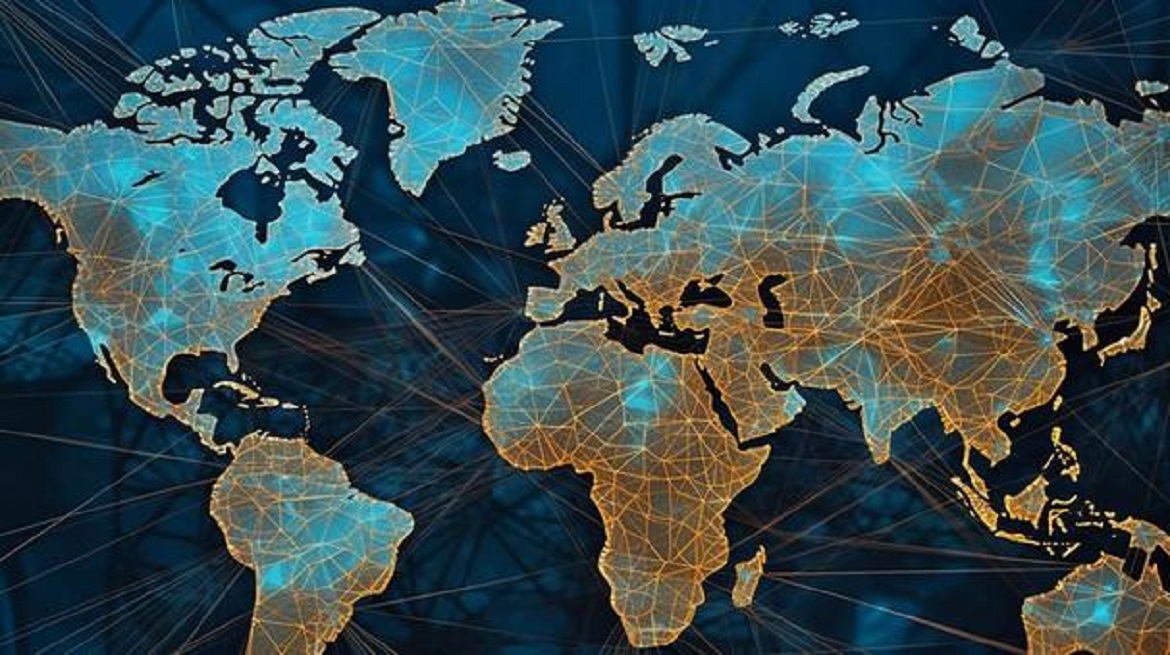
Artificial intelligence is reshaping the world by influencing politics, global affairs, and public life. Governments adopt AI for decision-making, policy analysis, and national security planning, while international organizations coordinate ethical guidelines to ensure responsible use. Businesses leverage AI to optimize processes, innovate, and compete globally. Celebrities and public figures also contribute by raising awareness about AI’s societal impact and promoting ethical practices.
AI in Political Strategy and Governance
AI provides governments with analytical tools to support strategic decision-making, predict societal trends, and optimize resource allocation. Predictive models allow policymakers to anticipate economic shifts, social challenges, and security concerns, enabling more informed and proactive governance. AI also assists in evaluating policy outcomes, ensuring programs achieve intended results efficiently.
The integration of AI into politics raises ethical concerns such as transparency, algorithmic bias, and citizen privacy. International frameworks and regulatory standards help governments deploy AI responsibly while maintaining public trust. Proper oversight ensures AI supports democracy, enhances accountability, and improves governance processes worldwide.
Global Economic and Technological Impacts
AI drives innovation, productivity, and competitiveness across global markets. Industries such as finance, healthcare, energy, and logistics use AI to optimize operations, forecast trends, and develop new solutions. Countries investing in AI technology gain strategic advantages, attract talent, and stimulate economic growth.
International collaboration in AI research and development fosters knowledge exchange, ethical standardization, and shared technological progress. By addressing global challenges such as cybersecurity, climate change, and public health collectively, nations benefit from AI’s capabilities while promoting responsible, sustainable economic development.
Celebrity Engagement and Public Awareness
Celebrities play a significant role in shaping public perception of AI and technology. Through advocacy campaigns, media outreach, and collaborations with NGOs, they educate audiences on AI’s benefits and risks. Celebrity involvement increases engagement with AI-driven social initiatives, including healthcare, education, and environmental sustainability.
Social media platforms amplify celebrity influence, allowing global reach and public dialogue about technology. By combining visibility with ethical advocacy, celebrities bridge the gap between complex AI concepts and public understanding, encouraging responsible adoption and social awareness.
AI and International Relations
AI is increasingly critical in global diplomacy, providing governments with tools for predictive analysis, risk assessment, and policy strategy. Nations use AI to monitor global trends, anticipate conflicts, and enhance decision-making in negotiations, trade, and security. Technological capabilities influence diplomatic strategies, allowing countries to operate more effectively on the international stage.
Ethical considerations in AI deployment remain crucial in diplomacy. Misuse, misinformation, and surveillance concerns require clear international standards. Responsible AI adoption in global relations promotes trust, collaboration, and stability, ensuring that technology enhances rather than undermines international cooperation.
Ethics, Security, and Future Challenges
The adoption of AI raises ethical, security, and societal challenges. Algorithmic bias, privacy breaches, and accountability issues can undermine public trust and equitable development. Governments, organizations, and international bodies must implement robust frameworks to regulate AI and ensure fairness, transparency, and safety.
Education, public awareness, and policy oversight are key to preparing societies for AI’s growing influence. By addressing challenges proactively, AI can drive sustainable innovation, improve governance, and contribute to social and economic development while maintaining ethical integrity and global cooperation.
FAQs
How does AI influence political governance?
AI supports data-driven decision-making, policy evaluation, and resource allocation, enhancing efficiency, transparency, and public trust in governance.
What is AI’s impact on the global economy?
AI drives innovation, productivity, and competitiveness, transforming industries, attracting talent, and promoting economic growth worldwide.
How do celebrities contribute to AI awareness?
Celebrities educate the public on AI’s benefits and risks, promote ethical practices, and encourage engagement with socially impactful initiatives.
How is AI used in international relations?
AI provides predictive analysis, risk assessment, and strategic tools for diplomacy, trade, and security, enhancing global cooperation and decision-making.
What are the main ethical concerns of AI?
Key concerns include algorithmic bias, data privacy, accountability, transparency, and equitable access to AI technologies.
Conclusion
Artificial intelligence is transforming politics, economics, global diplomacy, and public engagement, offering opportunities for innovation, efficiency, and societal advancement. Its applications are broad, from strategic governance to international cooperation and social advocacy.
Looking ahead, ethical frameworks, responsible deployment, celebrity advocacy, and international collaboration will be essential. By addressing challenges proactively and promoting transparency, AI can continue to drive global development, innovation, and equitable progress in the coming decades.
