

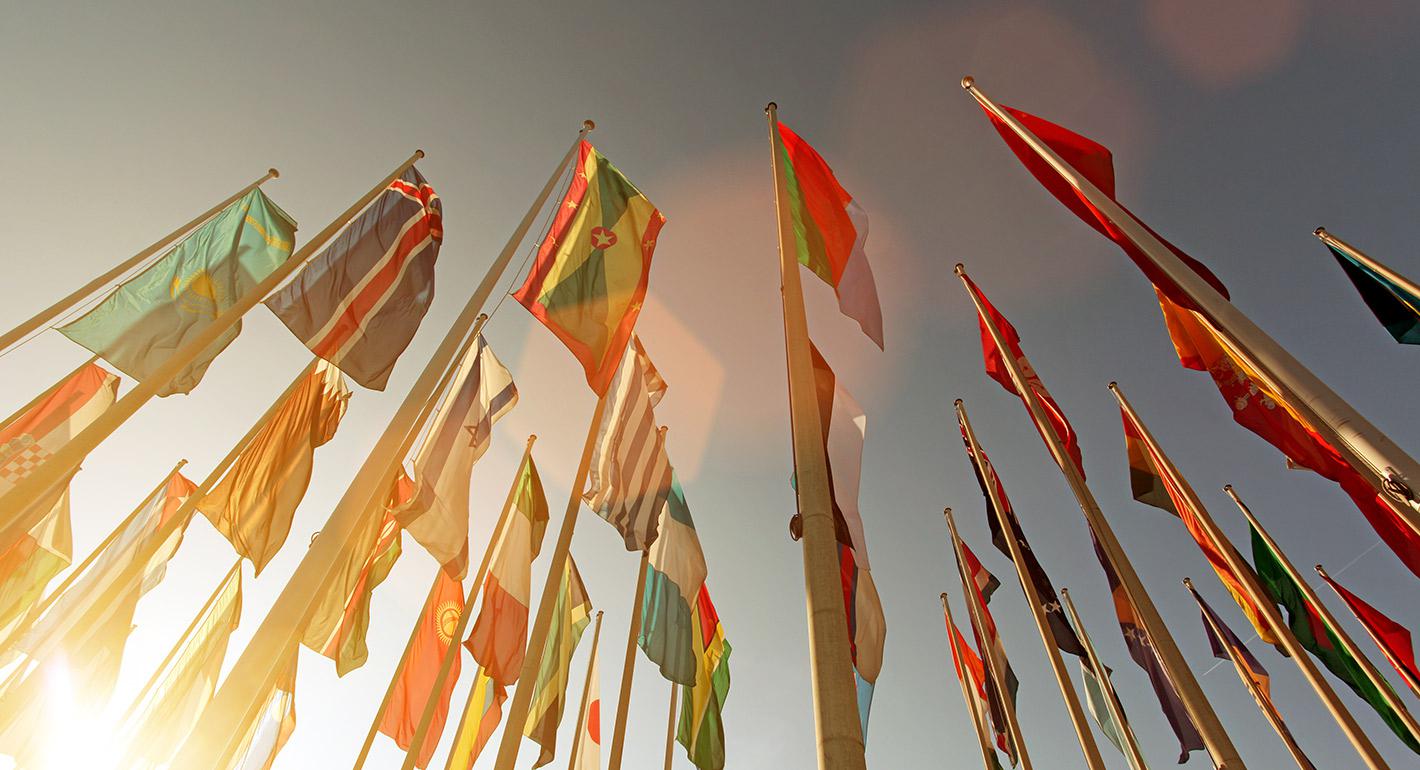
Politics plays a crucial role in shaping societies, economies, and international relations. Governments make decisions that affect citizens’ daily lives, from public services to foreign policy. Political strategies, policies, and international cooperation influence stability, development, and global collaboration. Technology, including AI, is increasingly integrated into governance, helping leaders make informed decisions.
Policy-Making and Governance
Governments create policies to manage resources, improve public services, and ensure societal well-being. Political leaders use data, research, and expert advice to make decisions that impact healthcare, education, infrastructure, and security. Effective policy-making balances public needs with economic and social priorities.
Political systems also face challenges, including budget constraints, social demands, and public scrutiny. Transparency, accountability, and public engagement are essential for governments to gain citizens’ trust and deliver meaningful results. Clear communication of policies ensures people understand their rights and responsibilities.
Elections and Political Participation
Elections are central to democratic governance, allowing citizens to choose representatives and shape the political agenda. Voting, campaigning, and public debate enable engagement and accountability. AI and technology tools increasingly assist in managing voter data, monitoring trends, and improving electoral efficiency.
However, fair elections depend on ethical practices, transparency, and citizen awareness. Political participation goes beyond voting, involving civic activities, community involvement, and advocacy for policies that reflect public interests. Encouraging active participation strengthens democracy and social cohesion.
International Relations and Diplomacy
Governments interact with other nations to maintain peace, trade, and cooperation. Diplomacy involves negotiation, treaties, and collaboration on global challenges such as climate change, security, and economic development. Political decisions in one country can have wide-reaching effects internationally.
International organizations and agreements help standardize practices, resolve conflicts, and promote mutual understanding. Strong diplomatic relations ensure stability, facilitate trade, and address global issues collaboratively, demonstrating the importance of politics beyond national borders.
Public Engagement and Awareness
Citizens play an essential role in shaping politics by staying informed, participating in discussions, and advocating for issues that matter. Public engagement strengthens accountability, improves policy effectiveness, and fosters social trust. Media, social platforms, and public campaigns help people understand political developments and participate meaningfully.
Technology, including AI, supports citizen engagement by analyzing trends, providing insights, and improving communication between governments and the public. Ethical use of technology ensures that information is accurate, accessible, and used to empower citizens rather than manipulate opinions.
Ethics, Accountability, and Challenges
Ethical governance is vital to maintain public trust, prevent corruption, and ensure fairness. Accountability mechanisms, oversight committees, and transparent procedures help uphold integrity in political systems. Political leaders must balance competing interests while protecting citizens’ rights.
Challenges include misinformation, polarization, and external influence, which can weaken democratic institutions. Educating citizens, promoting transparency, and encouraging participation help societies navigate these challenges and maintain effective governance.
FAQs
What is the role of policy-making in politics?
Policy-making manages resources, public services, and societal priorities, balancing public needs with economic and social goals.
How do elections impact governance?
Elections allow citizens to choose representatives, influence the political agenda, and hold leaders accountable.
Why is international diplomacy important?
Diplomacy ensures cooperation, conflict resolution, and collaboration on global challenges, impacting national and global stability.
How can citizens engage in politics?
By staying informed, participating in discussions, voting, and advocating for issues, citizens strengthen democracy and influence policies.
What are the main challenges in politics today?
Challenges include misinformation, polarization, ethical concerns, accountability, and balancing competing societal interests.
Conclusion
Politics affects every aspect of society, from governance and policy-making to international relations and citizen engagement. Understanding political processes empowers people to participate and influence decision-making.
Looking forward, transparency, ethical governance, public awareness, and responsible use of technology will be critical. Active citizen engagement and informed leadership will help build stable, effective, and fair political systems worldwide.
