

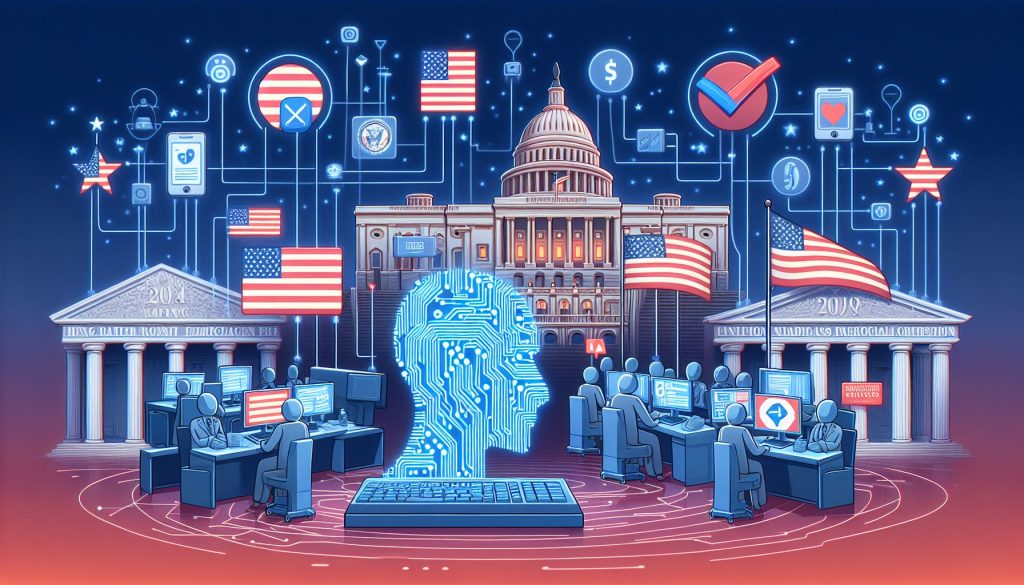
Artificial intelligence is driving transformative changes worldwide, impacting policy-making, international collaboration, and social awareness. Governments adopt AI to optimize decision-making, improve public services, and enhance security strategies. Global organizations collaborate to regulate AI ethically while addressing shared challenges like climate change and health crises. Celebrities and public figures also play a vital role, promoting AI initiatives and shaping public understanding.
AI in Policy Development and Governance
AI is revolutionizing policy-making by analyzing massive datasets to identify trends, optimize resource allocation, and forecast the impact of legislative decisions. Governments use AI to improve healthcare systems, urban infrastructure, and social programs, enabling faster and more effective responses to public needs. Data-driven policy tools also help evaluate outcomes, ensuring that resources are allocated efficiently to maximize societal benefit.
The use of AI in governance raises concerns regarding privacy, security, and ethical standards. Governments and international agencies are working to create transparent regulations and ethical frameworks. This balance ensures AI strengthens governance without compromising public trust, accountability, or individual rights, promoting responsible integration in public administration.
Election Campaigns and Political Strategy
Political campaigns increasingly rely on AI to analyze voter sentiment, predict election trends, and target specific demographics. Machine learning algorithms identify patterns in public opinion and optimize messaging to increase voter engagement. AI tools also provide insight into media impact, helping campaigns adjust strategies in real time for maximum effectiveness.
While AI improves efficiency, its use in politics raises ethical concerns such as misinformation, manipulation, and algorithmic bias. To maintain democratic integrity, governments, watchdogs, and campaign managers must enforce transparent practices. Ethical AI usage ensures that elections remain fair, trustworthy, and reflective of citizen preferences.
International Collaboration and Global AI Governance
Global collaboration on AI regulation is critical to ensure ethical deployment, transparency, and security. International organizations, such as the United Nations and the World Economic Forum, facilitate dialogue between nations, promoting standards for responsible AI use. Collaborative frameworks encourage shared research, innovation, and problem-solving, addressing issues like cybersecurity, humanitarian crises, and economic development.
AI also plays a strategic role in global diplomacy, enabling governments to anticipate conflicts, evaluate geopolitical risks, and negotiate treaties. By combining predictive technologies with human decision-making, nations can implement more informed strategies that benefit international stability and cooperation.
Celebrity Influence and Public Engagement
Celebrities increasingly champion AI-driven initiatives, raising awareness about ethical, social, and technological implications. High-profile figures support healthcare campaigns, climate action projects, and education programs powered by AI, amplifying reach and engagement. By leveraging their influence, celebrities help translate complex AI topics into accessible messages that encourage public participation and responsible adoption.
Social media platforms enhance this impact, allowing celebrities to engage global audiences directly. Through advocacy, partnerships, and campaigns, public figures bridge the gap between advanced technologies and societal understanding, promoting ethical and beneficial AI use on a global scale.
Ethics, Security, and AI Challenges
AI adoption presents challenges, including algorithmic bias, data privacy concerns, and risks of misuse. Governments and organizations develop regulatory frameworks to mitigate these risks, emphasizing accountability, transparency, and equity. Ethical AI ensures technologies support human rights, democratic processes, and social well-being.
Education and public awareness campaigns are essential for fostering responsible AI use. Citizens must understand AI’s capabilities and limitations to participate meaningfully in discussions and policy decisions. Combining governance, ethical oversight, and education ensures AI serves society positively while minimizing potential harm.
FAQs
How does AI improve government policy-making?
AI analyzes data to forecast trends, allocate resources efficiently, and evaluate the impact of public programs, enhancing governance effectiveness.
Can AI influence election outcomes?
Yes, AI optimizes messaging, analyzes voter sentiment, and predicts trends, but ethical safeguards are essential to maintain fairness.
How do countries collaborate on AI governance?
Through international organizations and treaties, nations share research, establish standards, and promote responsible, transparent AI use.
What role do celebrities play in AI awareness?
Celebrities raise public awareness, promote ethical initiatives, and encourage engagement with AI-driven campaigns in health, education, and social causes.
What are the main ethical challenges of AI?
Ethical challenges include algorithmic bias, data privacy, accountability, transparency, and preventing misuse of AI technologies.
Conclusion
AI is transforming policy-making, political strategy, international collaboration, and public awareness, offering unprecedented opportunities for global progress. Ethical deployment ensures that these technologies strengthen governance, improve public services, and foster societal engagement.
Looking forward, responsible AI adoption, transparent regulation, and collaboration between governments, organizations, and public figures will be key. AI has the potential to shape a more informed, efficient, and equitable global society in the decades ahead.
